Why the Valley of the Kings Matters
For nearly 500 years, New Kingdom pharaohs chose this remote valley on the Nile's west bank as their final resting place, believing its hidden location would protect their tombs from robbers. More than 60 tombs have been found here, including the world-famous tomb of Tutankhamun, discovered almost intact in 1922. Walking down into these painted corridors, still vivid with scenes of gods and the afterlife, is one of the most powerful experiences in Egyptian travel.
Which Tombs to Choose
A standard ticket covers entry to three tombs chosen from a rotating list that changes periodically to limit wear on the paintings — Ramesses IV, Merenptah, and Ramesses IX are common, reliable picks. Tutankhamun's tomb and the spectacular tomb of Seti I require separate, additional tickets but are well worth it for the detail of their wall art. Our Luxor day tours are built around whichever tombs are open on the day you visit, so you never waste time at a closed gate.
Planning Your Visit
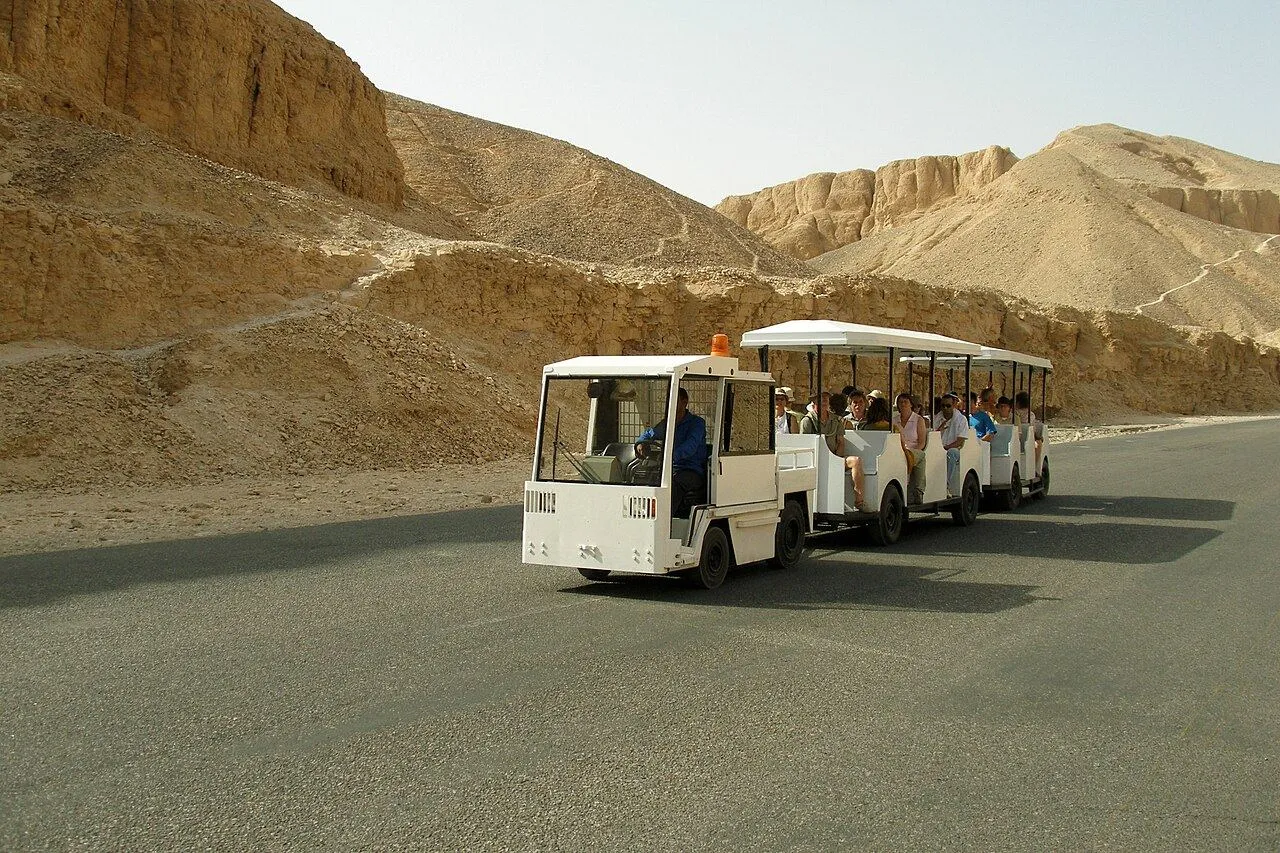
Arrive as early as possible — the valley has almost no shade and temperatures climb fast after 10am. A small tram shuttles visitors from the entrance gate to the tombs themselves, saving the walk in the heat. Photography is generally not allowed inside the tombs, so take your time looking rather than shooting. Pair the valley with the nearby Temple of Hatshepsut and the Colossi of Memnon for a full West Bank morning — exactly how our Luxor day trip is structured.