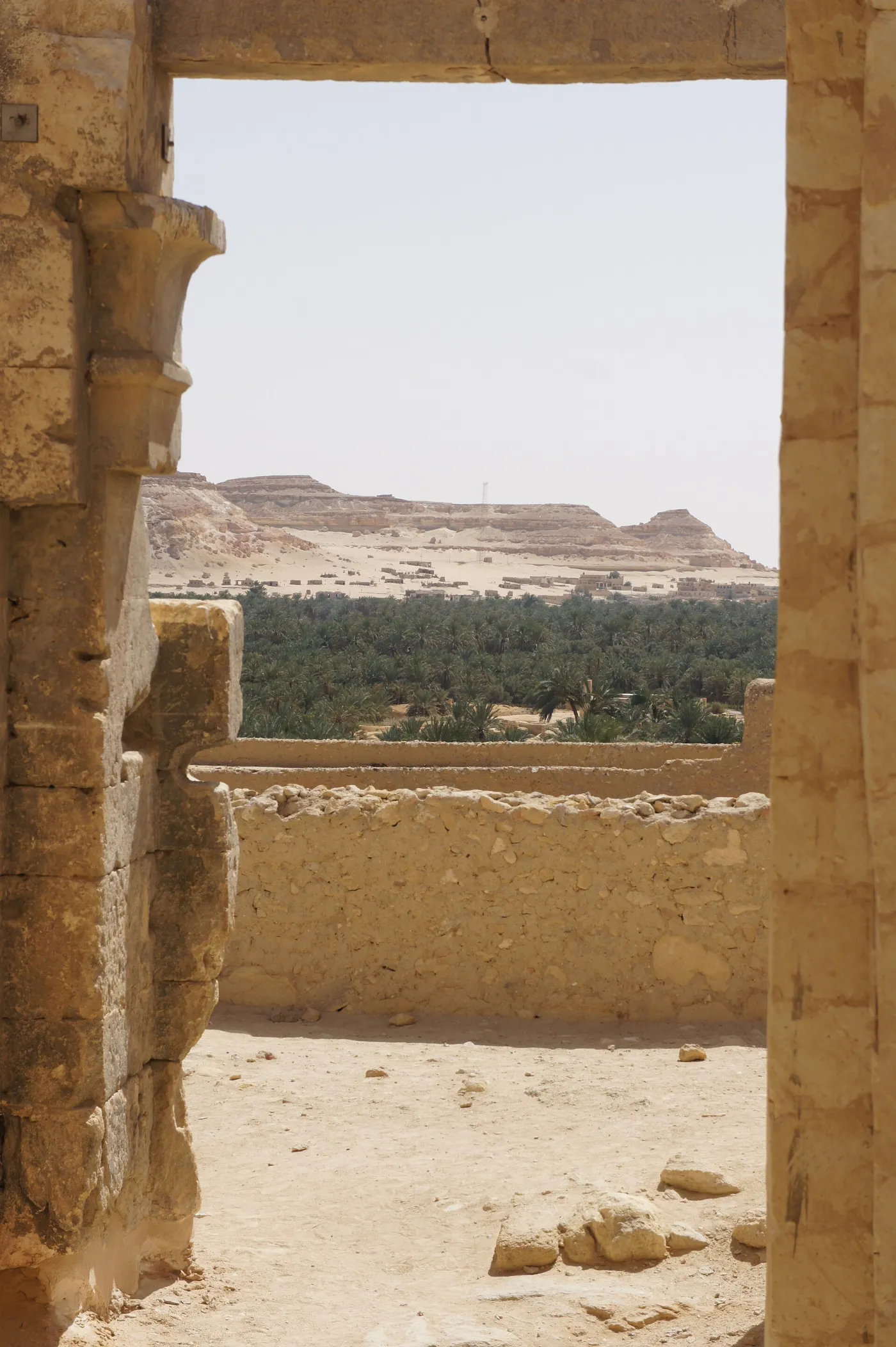
Siwa's Own Culture
Siwa's population is predominantly Amazigh (Berber) rather than Arab, with its own spoken language, Siwi, distinct from Egyptian Arabic. The oasis is built around freshwater springs and dense date palm and olive groves, and its centrepiece is Shali, a fortress town built almost entirely from kershef, a local mix of salt and mud, largely abandoned after a rare rainstorm damaged it in the 1920s and left standing as a striking ruin above the modern town.
The Temple of the Oracle
Siwa's most famous ancient site is the Temple of the Oracle of Amun, where Alexander the Great reportedly travelled in 331 BC to consult the oracle about his origins, a detour that later Greek historians treated as a defining moment in his life. Little of the temple survives today, but the walk up to it, past the ruins of Shali, is one of the oasis's most atmospheric short outings.
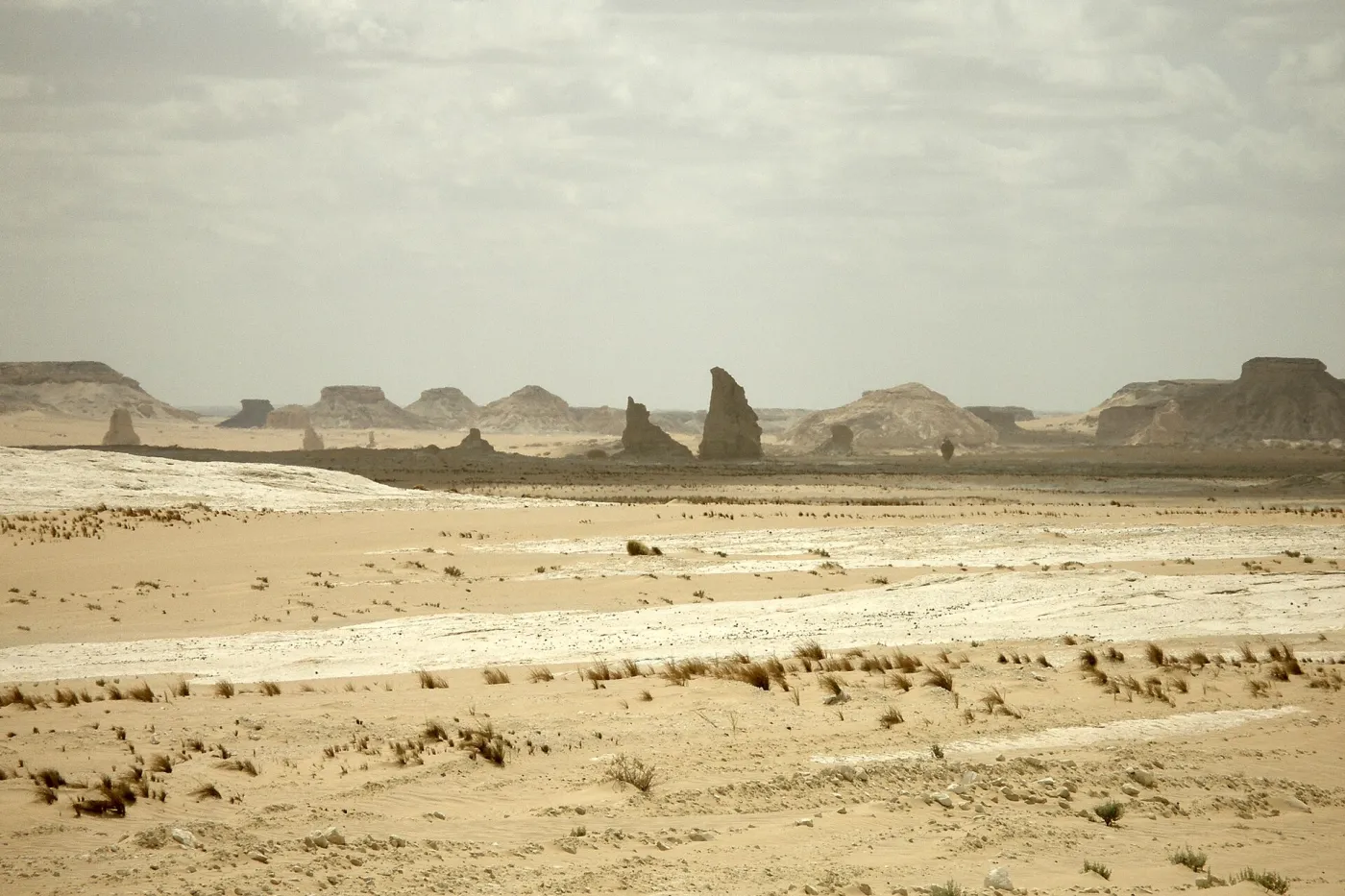
The White Desert
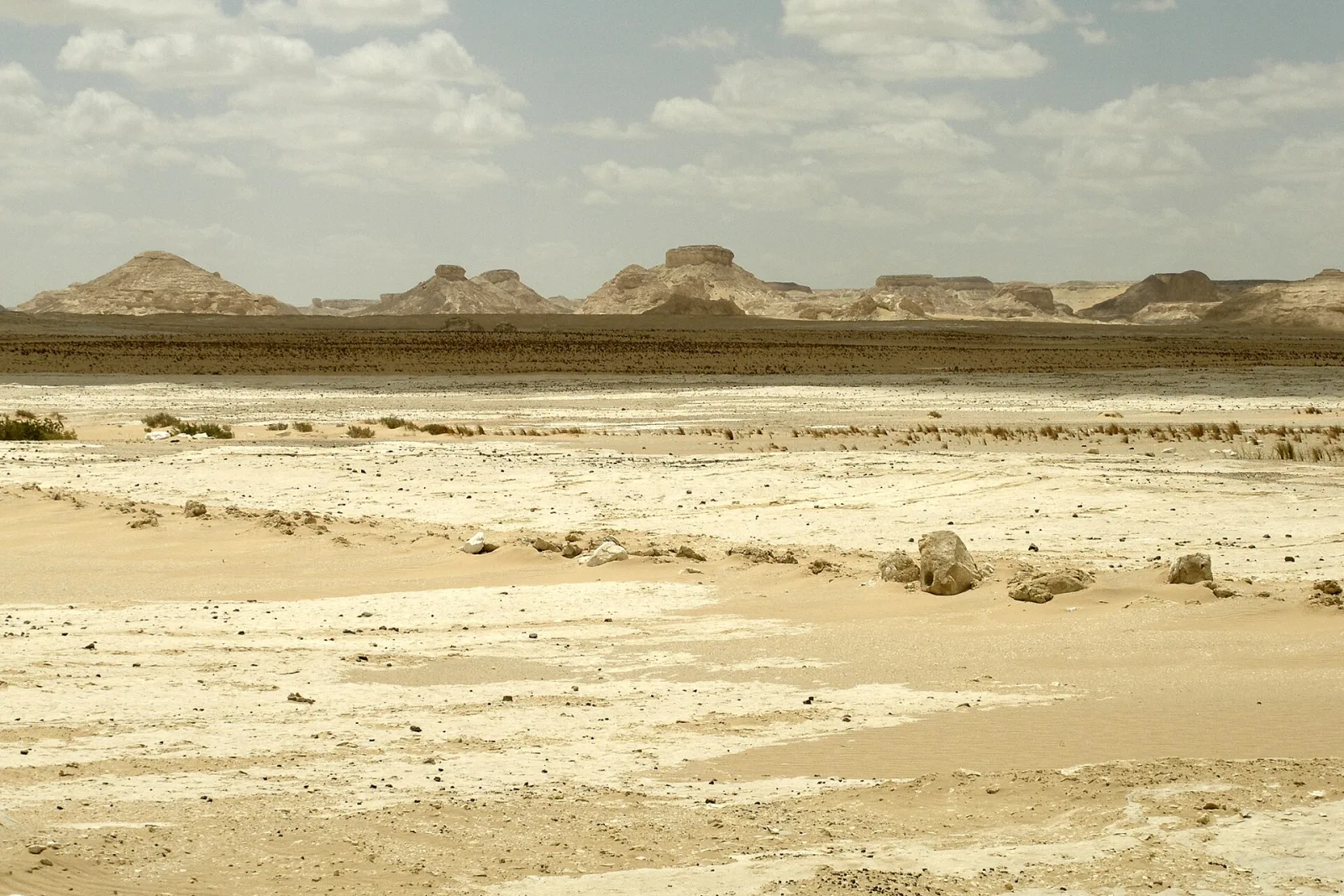
Around 500 kilometres southwest of Cairo, wind erosion has carved the White Desert's chalk bedrock into surreal white formations — some shaped like mushrooms, others like animals — that glow almost luminous under moonlight. Most visitors reach it via a 4x4 safari from the Bahariya Oasis, camping overnight among the formations, and the nearby Black Desert, its hills dusted with dark volcanic rock, is usually visited on the same route.