What's Actually Worth Buying
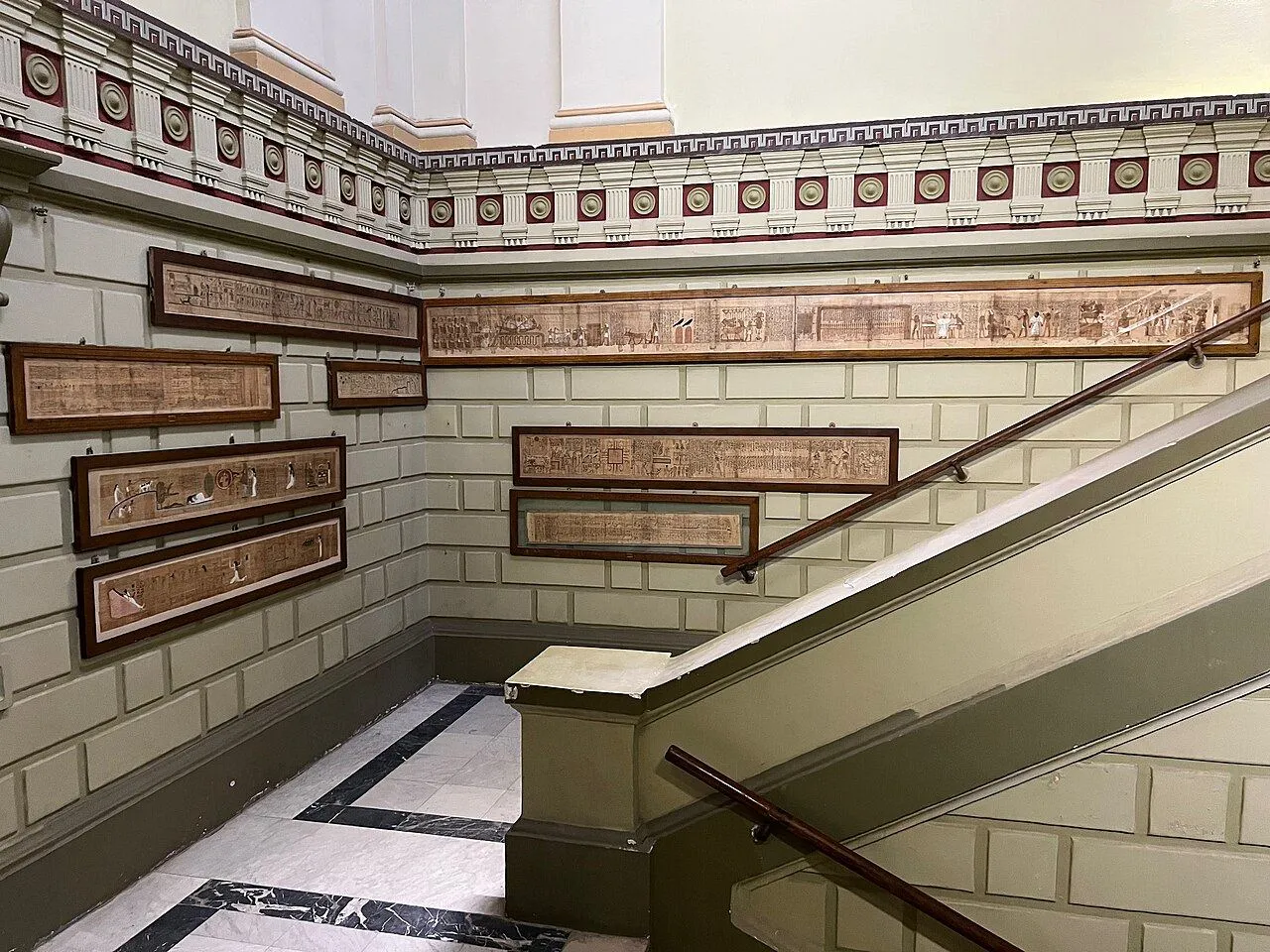
Hand-woven cotton and linen textiles, genuine alabaster or basalt carvings from workshops near Luxor, hand-blown glass, copper and brass lamps, and spices sold by weight in open sacks all make excellent, authentic souvenirs. Papyrus paintings are popular but vary enormously in quality — ask specifically for "real papyrus" rather than the far more common banana-leaf imitation, and buy from a reputable workshop rather than a street stall. Gold and silver, especially cartouche jewelry engraved with your name in hieroglyphs, is sold by weight and remains a classic, meaningful purchase.
Khan El Khalili and Beyond
Cairo's Khan El Khalili, a bazaar operating since the 14th century, remains the classic one-stop destination for nearly every category of souvenir, packed into a maze of narrow lanes alongside coffee houses and street food stalls. Luxor and Aswan both have their own smaller soukhs with a stronger focus on Nubian crafts, spices, and textiles, usually with noticeably less tourist markup than Cairo's biggest bazaar. For higher-end, fixed-price pieces without any need to bargain, government-run Egypt Craft Centers and hotel boutiques offer a reliable, if pricier, alternative.
The Art of Bargaining
In markets without marked prices, bargaining is expected and even enjoyed as a social ritual rather than a confrontation — approach it with a smile, not suspicion. A common rule of thumb is to offer around a third to half of the opening price and negotiate up from there, though this varies by item and vendor. Accepting a cup of tea while browsing doesn't obligate a purchase, and walking away calmly, even partway through negotiation, is a normal and often effective tactic. Above all, settle on a price you're genuinely happy with rather than chasing the theoretical "best deal" — a good souvenir memory matters more than a few saved dollars.