Luxor: The World's Greatest Open-Air Museum
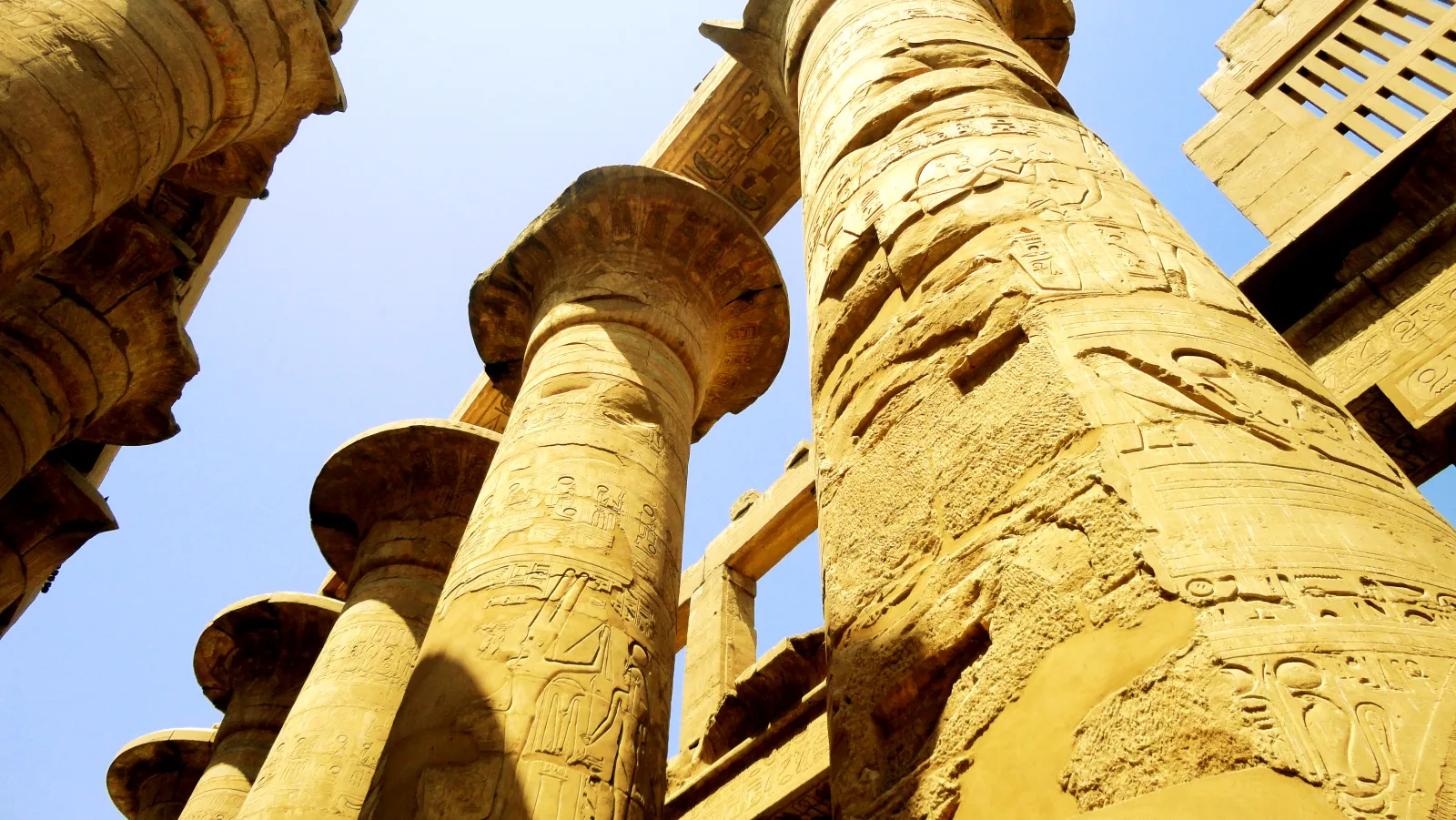
Ancient Thebes, modern Luxor sits on top of what was once the religious capital of the Egyptian empire, and it shows: this single city holds roughly a third of the world's ancient monuments. Karnak Temple alone is a complex the size of a small town, its Great Hypostyle Hall filled with 134 columns so massive that five adults linking hands can barely circle one. A few kilometres south, Luxor Temple glows amber under floodlights after dark, connected to Karnak by an avenue of sphinxes that is once again walkable end to end.
The Valley of the Kings
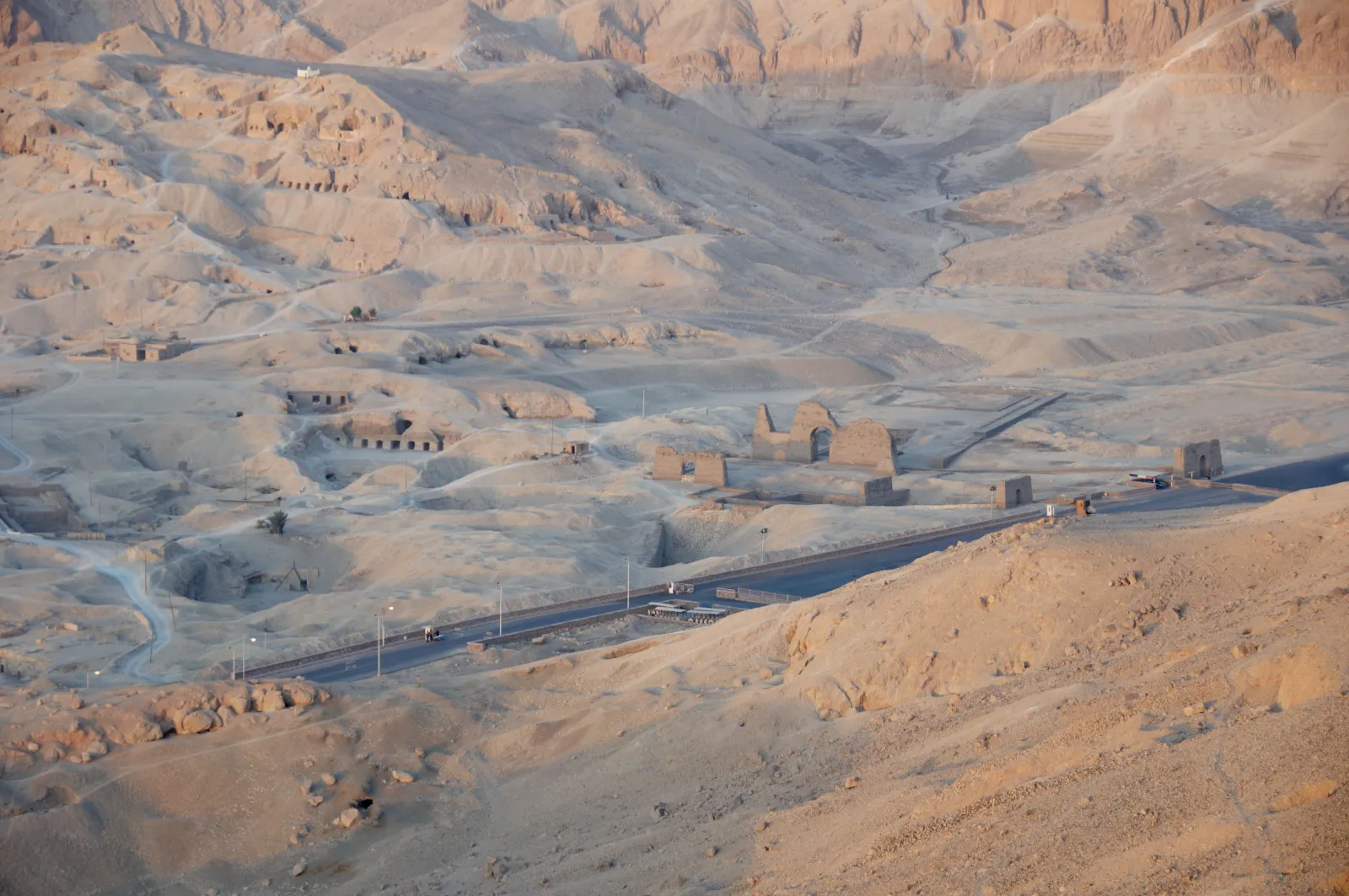
Across the river on Luxor's West Bank, the pharaohs of the New Kingdom abandoned pyramids altogether and instead cut their tombs directly into a hidden desert valley, hoping to outwit robbers. It didn't entirely work — most tombs were emptied in antiquity — but Tutankhamun's was missed, and his intact burial, discovered in 1922, remains the valley's most famous find. Several tombs are open to visitors on a rotating basis, their painted corridors leading deep into the hillside in colours that have barely faded in three thousand years.
Aswan and the Temple of Philae
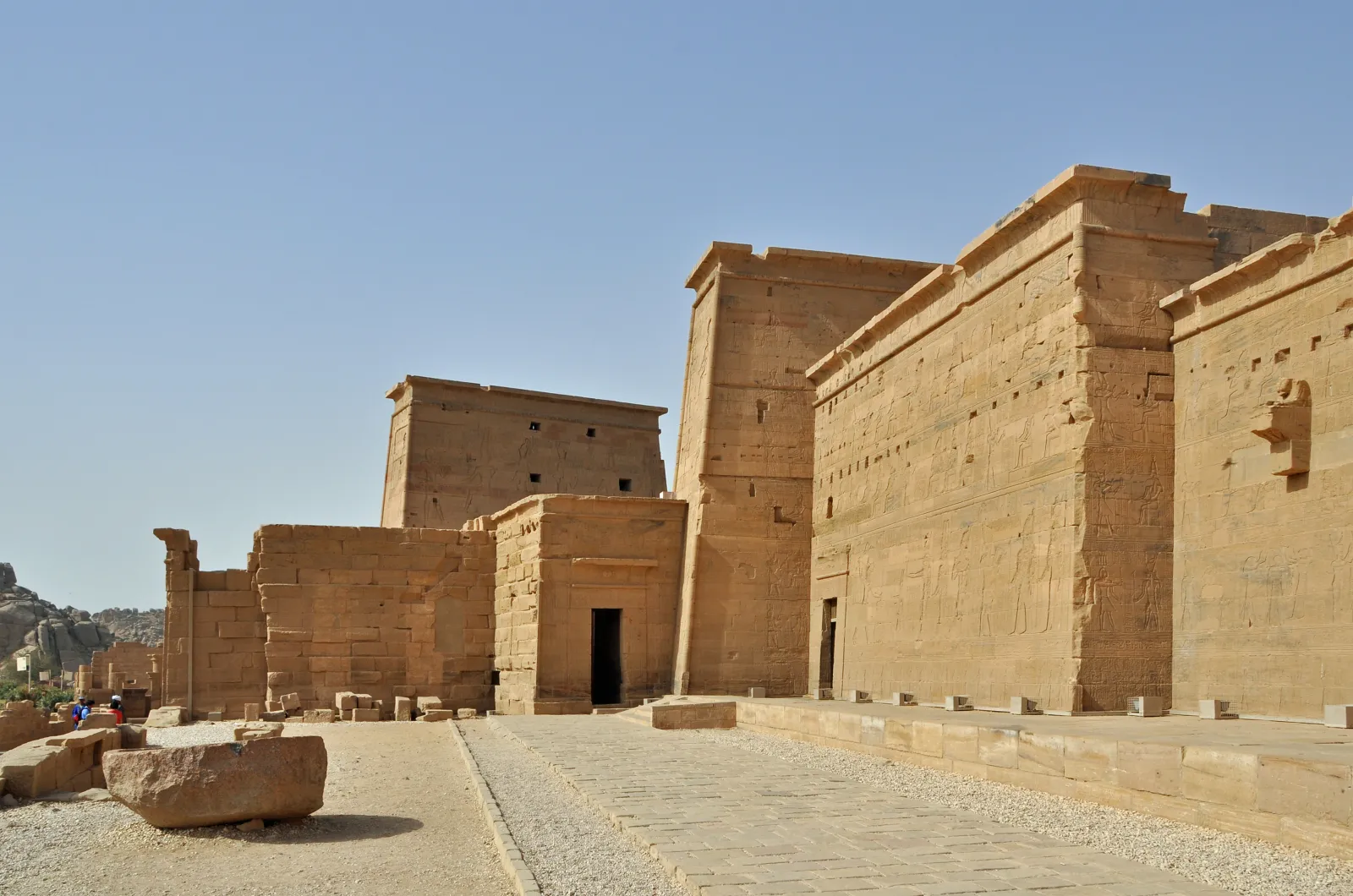
Aswan feels different from the moment you arrive — calmer, more Nubian than Egyptian in its music and colours, with the river split by granite boulders and green islands. Its centrepiece is the Temple of Philae, dedicated to the goddess Isis, which was dismantled block by block and rebuilt on higher ground on Agilkia Island in the 1970s to save it from the rising waters behind the Aswan High Dam. Reached by a short boat ride, it's one of the most atmospheric temple sites on the whole river.
Abu Simbel: Ramses II's Desert Monument
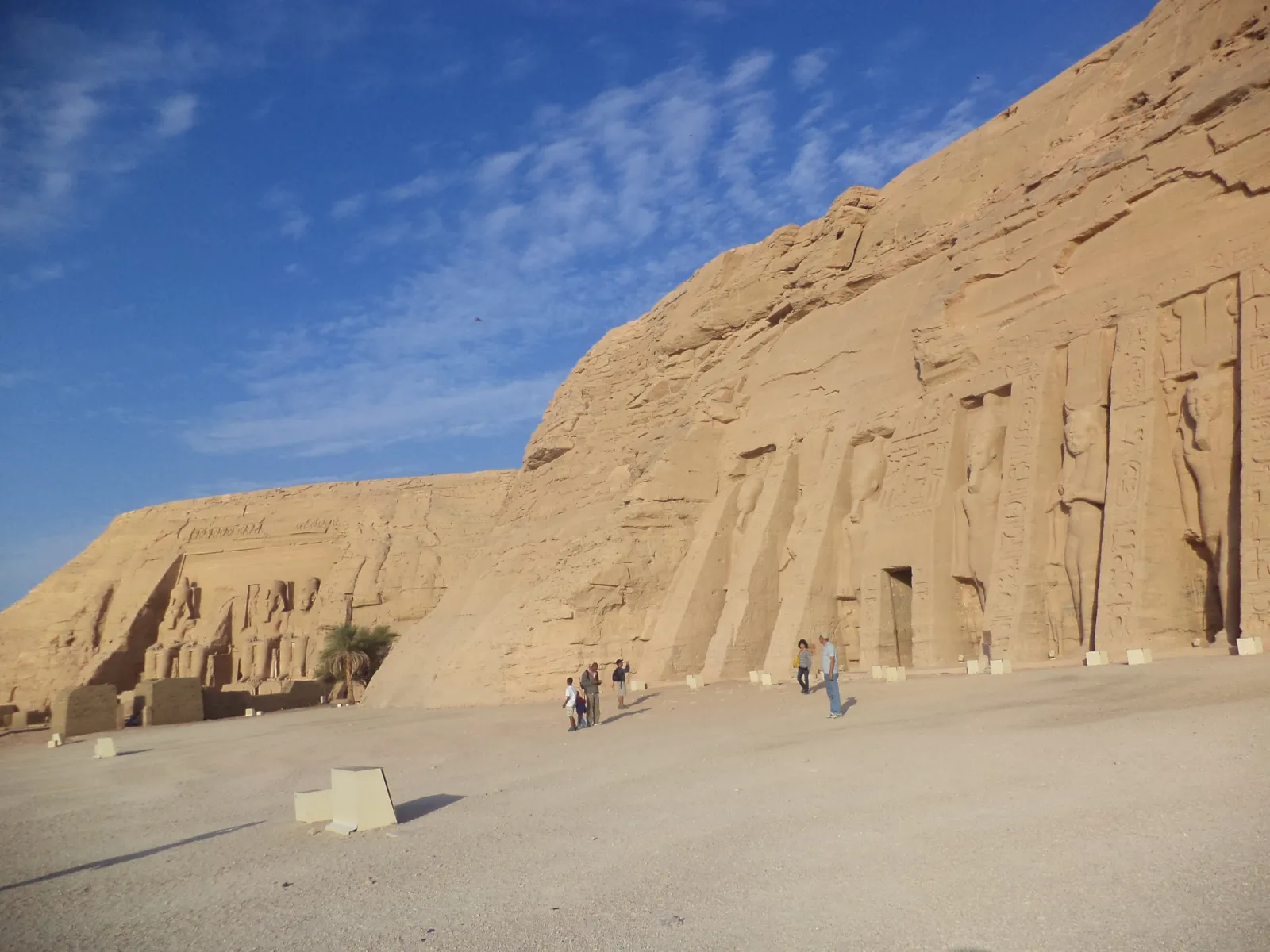
A further three hours south by road or a short flight from Aswan, the two temples of Abu Simbel are Ramses II's most theatrical piece of self-promotion: four seated colossi of the pharaoh, each over 20 metres tall, cut into a sandstone cliff facing the rising sun. Like Philae, the entire monument was sawn into blocks and reassembled higher up in the 1960s in one of the largest rescue operations in archaeological history. Twice a year, at dawn, sunlight still reaches deep into the inner sanctuary to illuminate the seated statues at the back — a piece of solar engineering more than 3,200 years old.