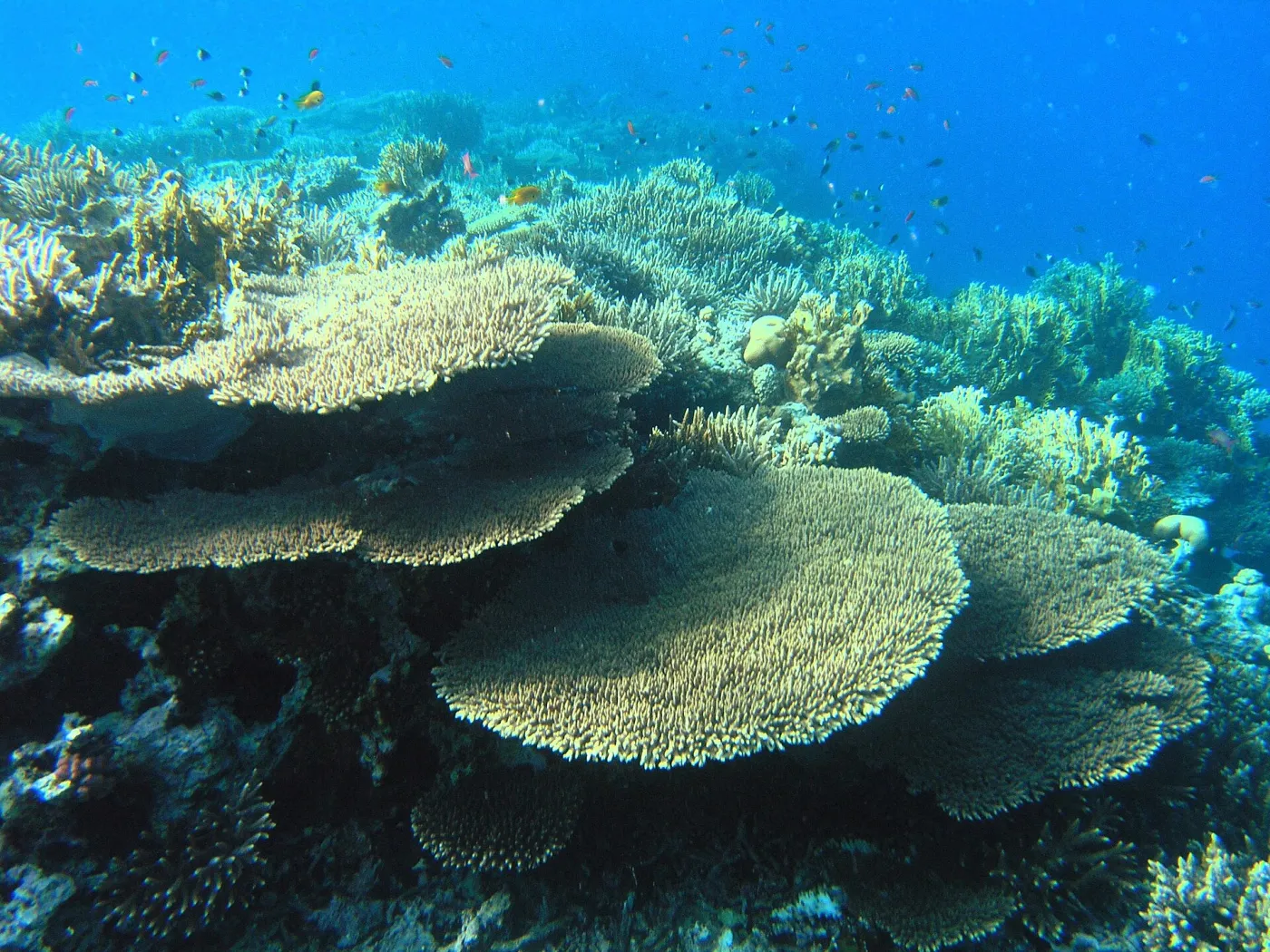
Hurghada or Sharm El Sheikh?
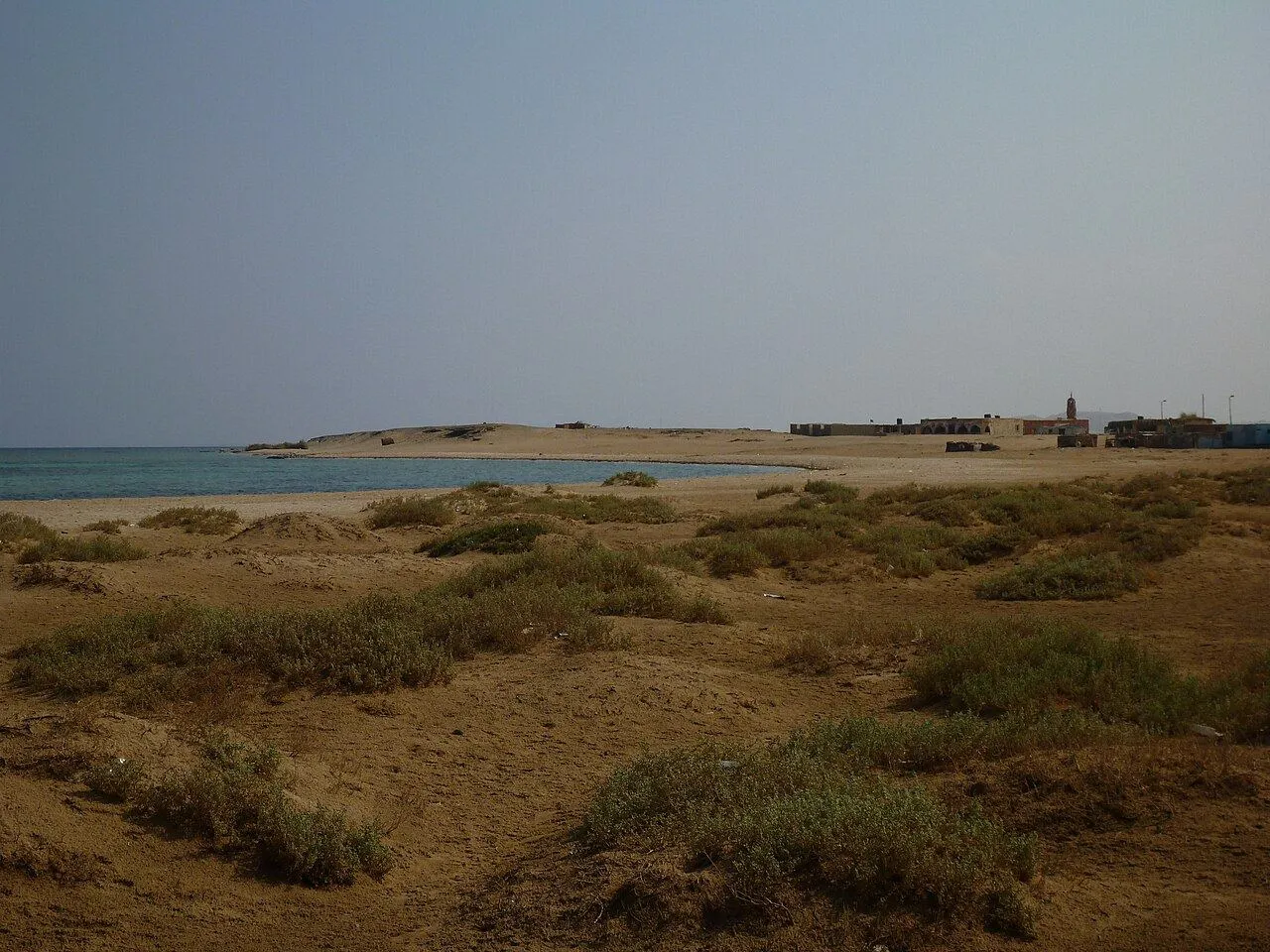
Hurghada, on the Egyptian mainland, was the region's original resort town: larger, generally cheaper, and built around reefs a short boat ride from shore. Sharm El Sheikh, at Sinai's southern tip, sits beside Ras Mohammed National Park and the Straits of Tiran, and is best known for dramatic wall dives close to the coast. Neither is objectively better — Hurghada suits travellers who want more resort infrastructure around the diving, Sharm suits those who care most about the diving itself.
The SS Thistlegorm
Sunk by German bombers in October 1941 while carrying motorcycles, trucks, and munitions for Allied forces, the Thistlegorm was found by Jacques Cousteau in the 1950s, then largely forgotten until divers rediscovered it in the 1990s. Its cargo holds are still stacked with WWII vehicles, and while penetrating the wreck's interior calls for advanced or wreck-diving certification, its deck and exterior are within reach of far less experienced divers.
Planning Your Trip
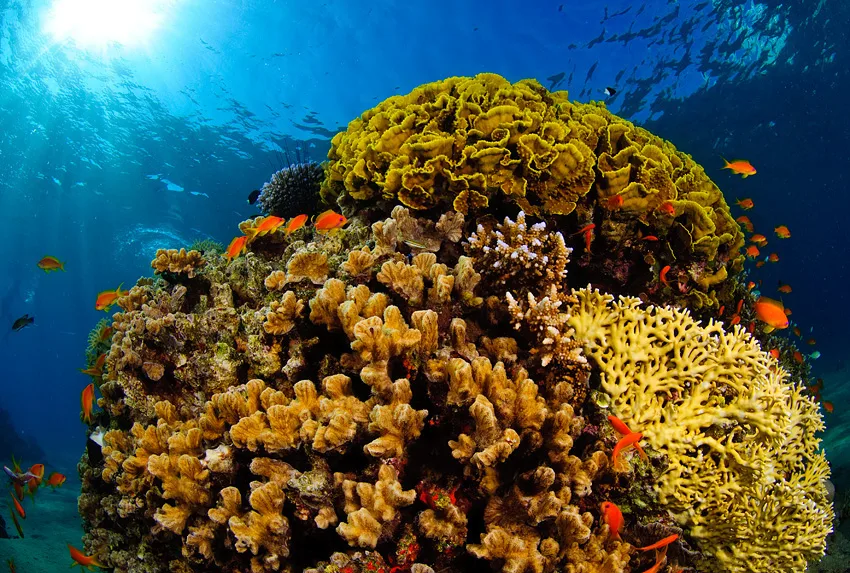
Water stays warm enough to dive year-round, generally between 22°C in winter and 28°C in summer, though visibility and conditions vary by month and site. Day-trip boats cover reefs close to each resort town; certified divers who want to reach more remote systems typically book a liveaboard running three to seven days. Reef-safe sunscreen and a strict no-touching rule for coral are standard practice at every reputable operator.