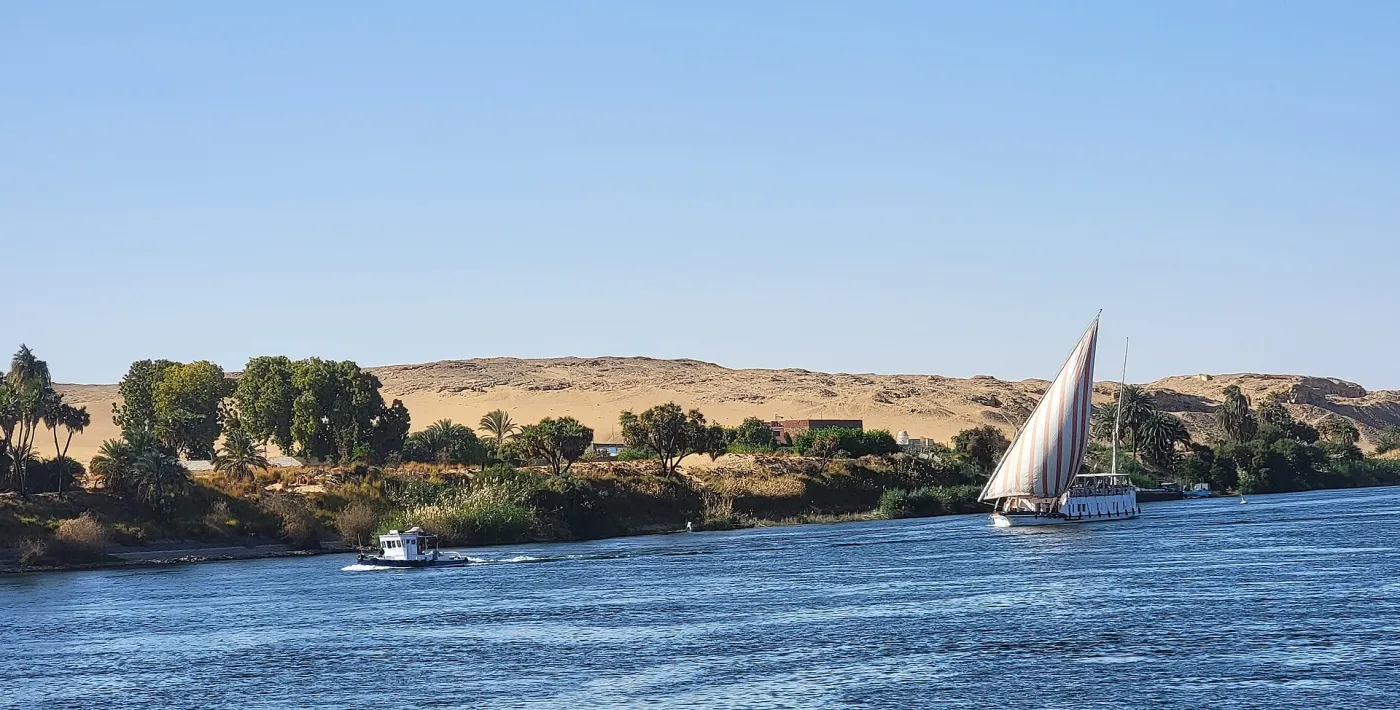
What Makes a Dahabiya Different
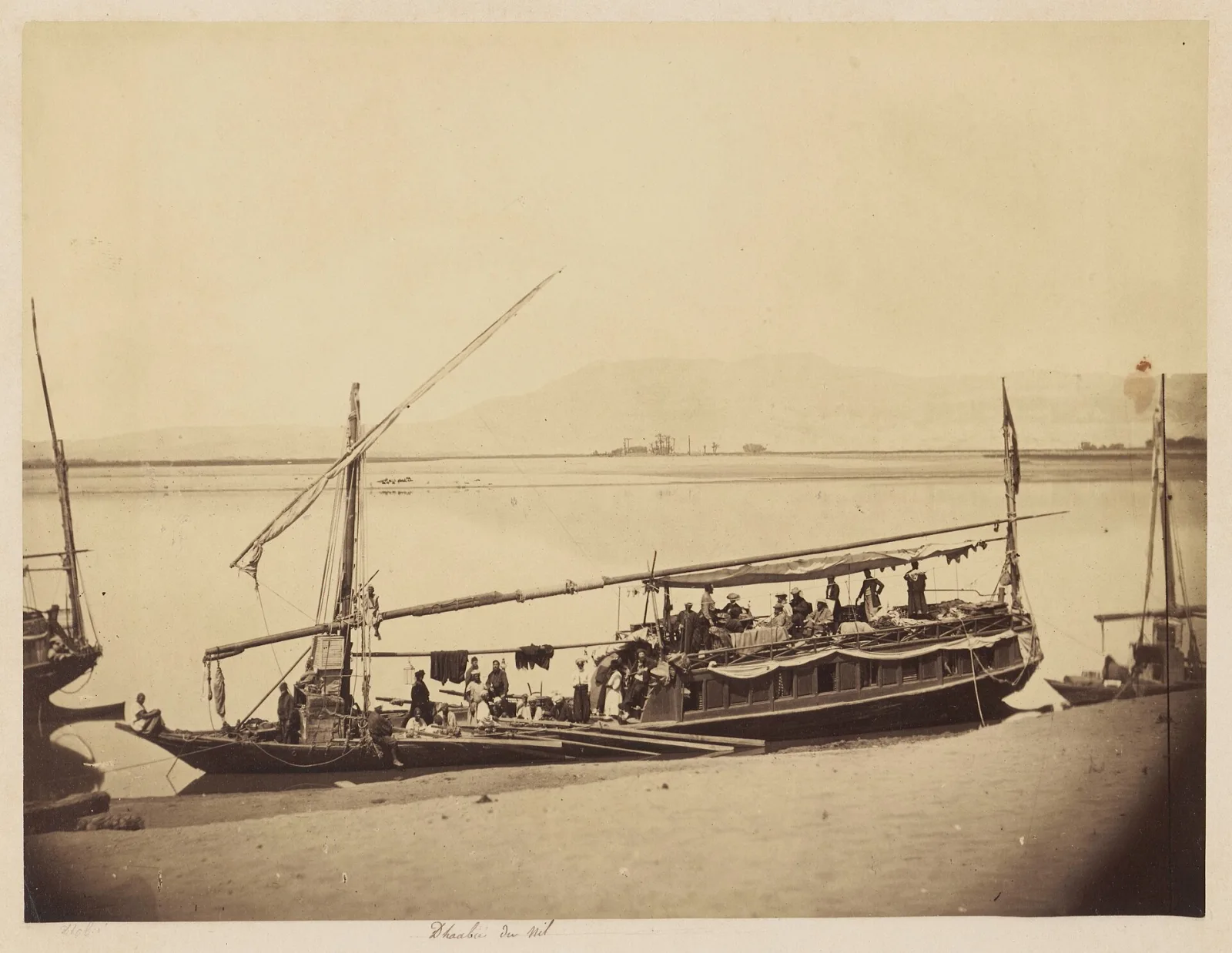
The boats themselves echo 19th-century Nile sailing vessels, with wide decks built for lounging rather than moving quickly between decks and cabins, and shallow drafts that let them moor along quiet stretches of riverbank rather than only at the fixed docks larger ships use. Without a full restaurant and entertainment deck to run, dahabiyas typically also carry far fewer crew relative to guests, and meals tend to be served as shared, home-style courses rather than a buffet.
A Different Pace, and Different Stops
Because a dahabiya isn't tied to the itinerary of a large fleet, it can moor at smaller sites and villages that bigger ships pass by, and captains often adjust the day's plan around wind and current rather than a printed schedule. The trade-off is a less predictable timetable and a longer trip overall — most dahabiya itineraries between Luxor and Aswan run five to seven days, longer than the standard three- to five-day cruise.
Who It Suits
A dahabiya suits travellers who want the classic Luxor-to-Aswan route without a large ship's crowds and fixed pace, and who are comfortable trading some predictability for a quieter, more flexible trip. It's a less practical fit for anyone on a tight schedule, since sailing conditions can shift plans day to day.