Wadi El Rayan's Waterfalls
Egypt's only waterfalls sit in this protected nature reserve, formed when water was channeled between two artificial lakes built in the 1970s to manage agricultural drainage from the Fayoum basin. The result, against all odds, is a genuinely scenic spot of cascading water framed by golden sand dunes — a landscape combination found almost nowhere else in the world. The surrounding lakes are also a quiet haven for migratory birds, and the whole reserve makes a refreshing contrast to the desert heat on the drive in.
Wadi Al-Hitan, Valley of the Whales
A UNESCO World Heritage Site deeper into the desert, Wadi Al-Hitan preserves hundreds of fossilized skeletons of Basilosaurus and Dorudon — early whale species that still had tiny vestigial hind legs, direct physical evidence of the evolutionary transition from land mammal to ocean dweller some 40 million years ago. A well-marked walking trail winds past the best-preserved skeletons left exactly where they were discovered, with small shelters and signage explaining what you're looking at — a genuinely fascinating stop for anyone curious about natural history.
Planning the Day
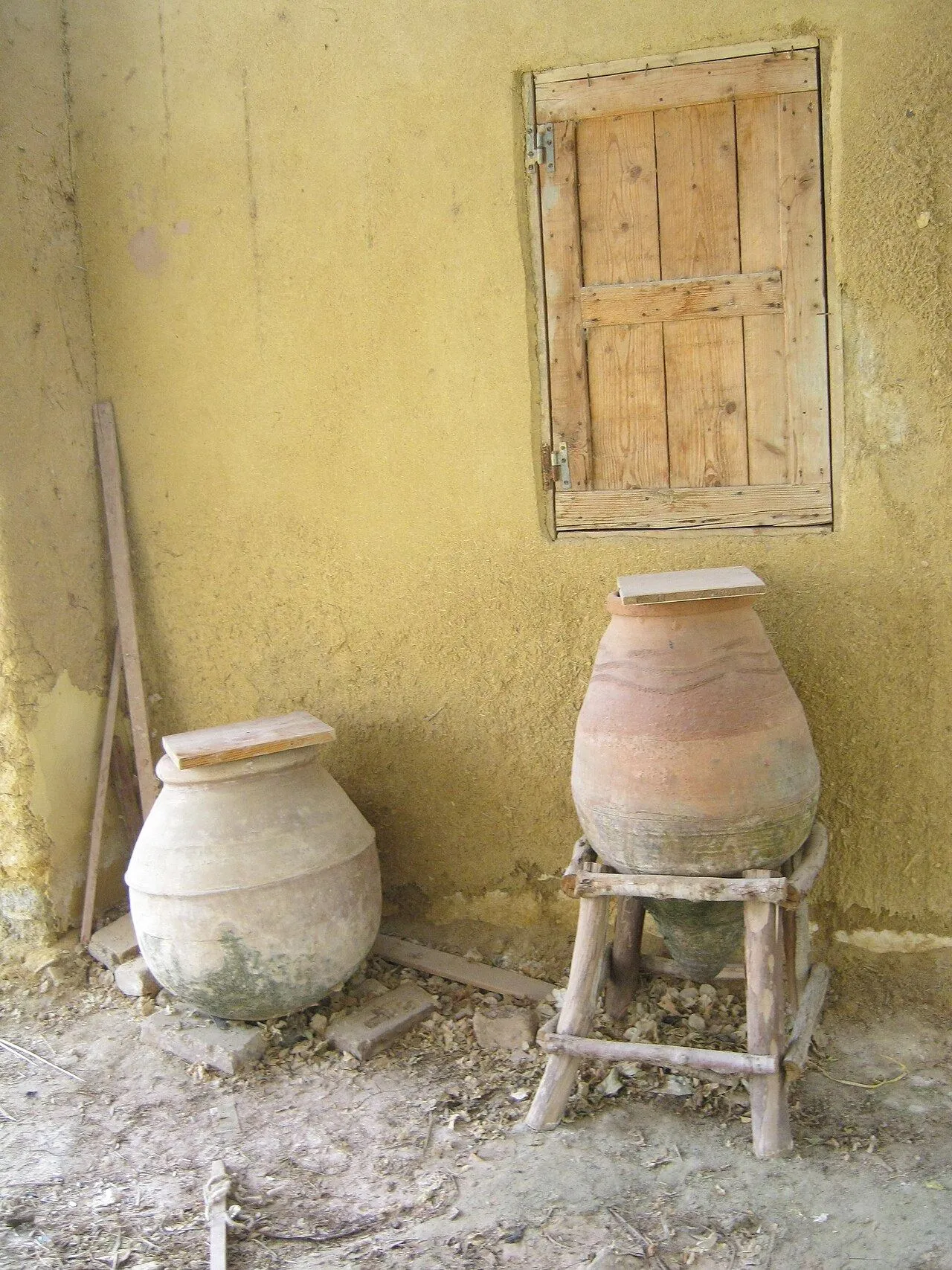
Most visitors combine Wadi El Rayan and Wadi Al-Hitan into one day trip from Cairo, roughly a two-hour drive each way, with a 4x4 needed for parts of the desert track to the whale valley. Along the way, Lake Qarun — one of the oldest natural lakes in the world — offers a chance to spot flamingos and other waterbirds, and Fayoum's surrounding villages are known for pottery workshops that have operated for generations. It's an easy, varied escape for travelers who want nature and a little adventure without straying far from Cairo.