The Pharaonic Era (c. 3100 BC – 30 BC)
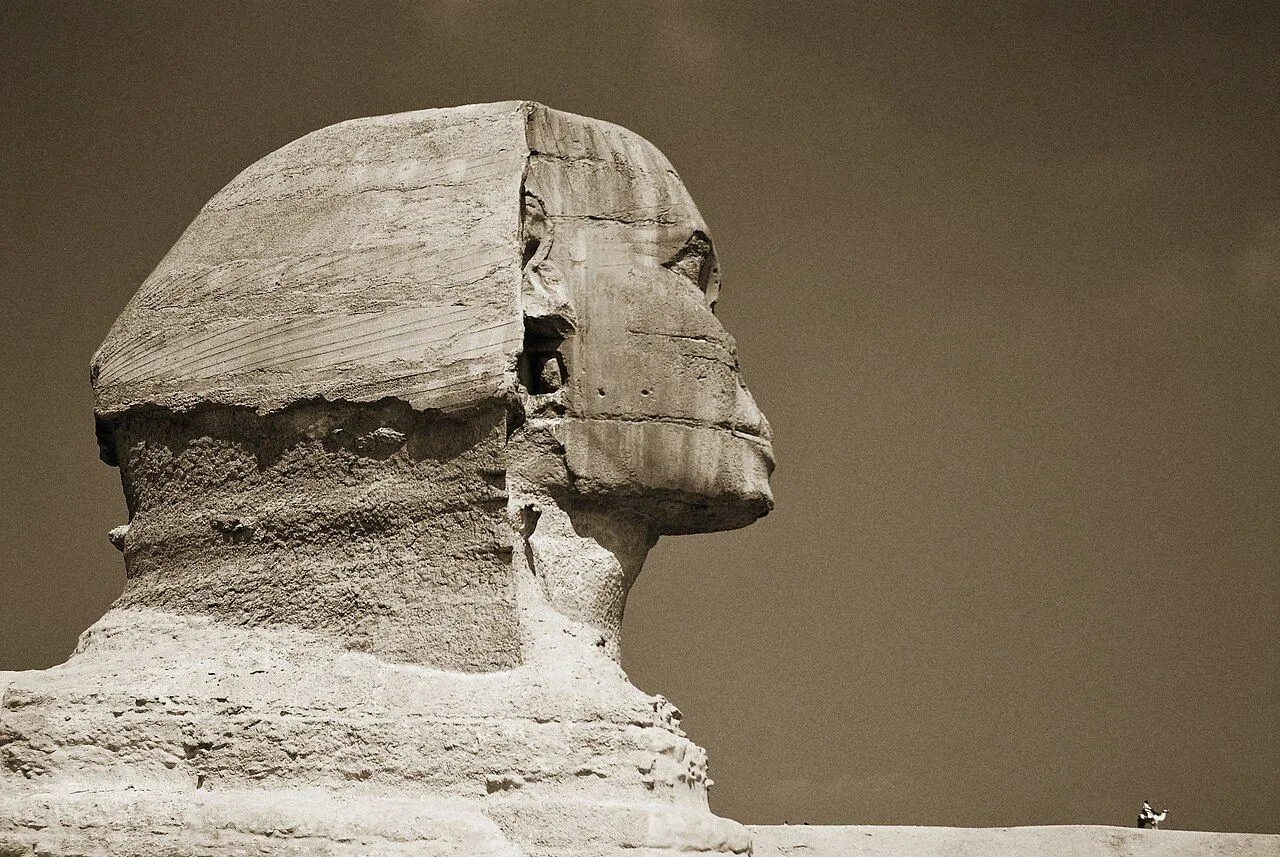
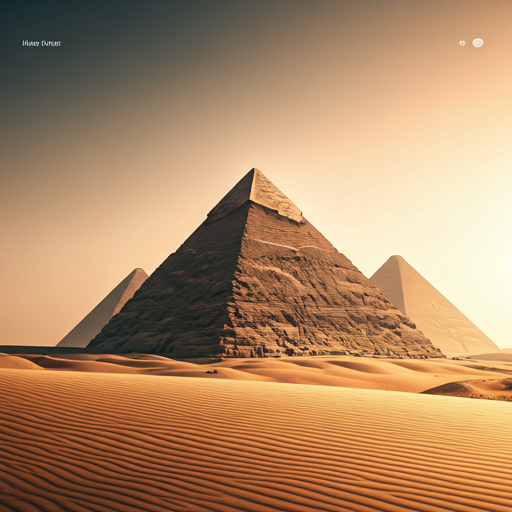
Around 3100 BC, King Narmer unified Upper and Lower Egypt, beginning roughly 3,000 years of pharaonic rule split into the Old, Middle, and New Kingdoms. The Old Kingdom (c. 2686–2181 BC) gave us Saqqara's Step Pyramid and the Giza pyramids; the New Kingdom (c. 1550–1070 BC) — Egypt's golden age of wealth and empire — produced Karnak, Luxor Temple, the Valley of the Kings, and Abu Simbel. Nearly everything most visitors associate with "ancient Egypt" dates from these roughly 2,000 years.
Greeks, Romans, and the Rise of Christianity
Alexander the Great conquered Egypt in 332 BC, founding Alexandria and installing the Greek Ptolemaic dynasty — the line that ended famously with Cleopatra VII in 30 BC, when Egypt became a Roman province. Roman rule brought new building (parts of Philae and Kom Ombo date from this period) and, over the following centuries, the gradual spread of Christianity, which Coptic Cairo's ancient churches still preserve. This layered history is why a single day in Cairo can take you from pharaonic temples to Roman fortresses to early churches within a few kilometers.
Islamic Egypt and the Modern State
The Arab conquest of 641 AD brought Islam to Egypt, and over the following centuries Cairo grew into one of the Islamic world's great capitals under dynasties like the Fatimids, Ayyubids (Saladin among them), and Mamluks, whose mosques, madrasas, and the Citadel still define much of the city's skyline. The Ottoman Empire controlled Egypt from 1517 until growing British influence culminated in formal occupation in 1882, with full independence arriving only in 1952. This final layer — Islamic Cairo, colonial-era architecture, and a modern republic — completes the picture most travelers piece together over a single trip.