A Monument Moved to Save It
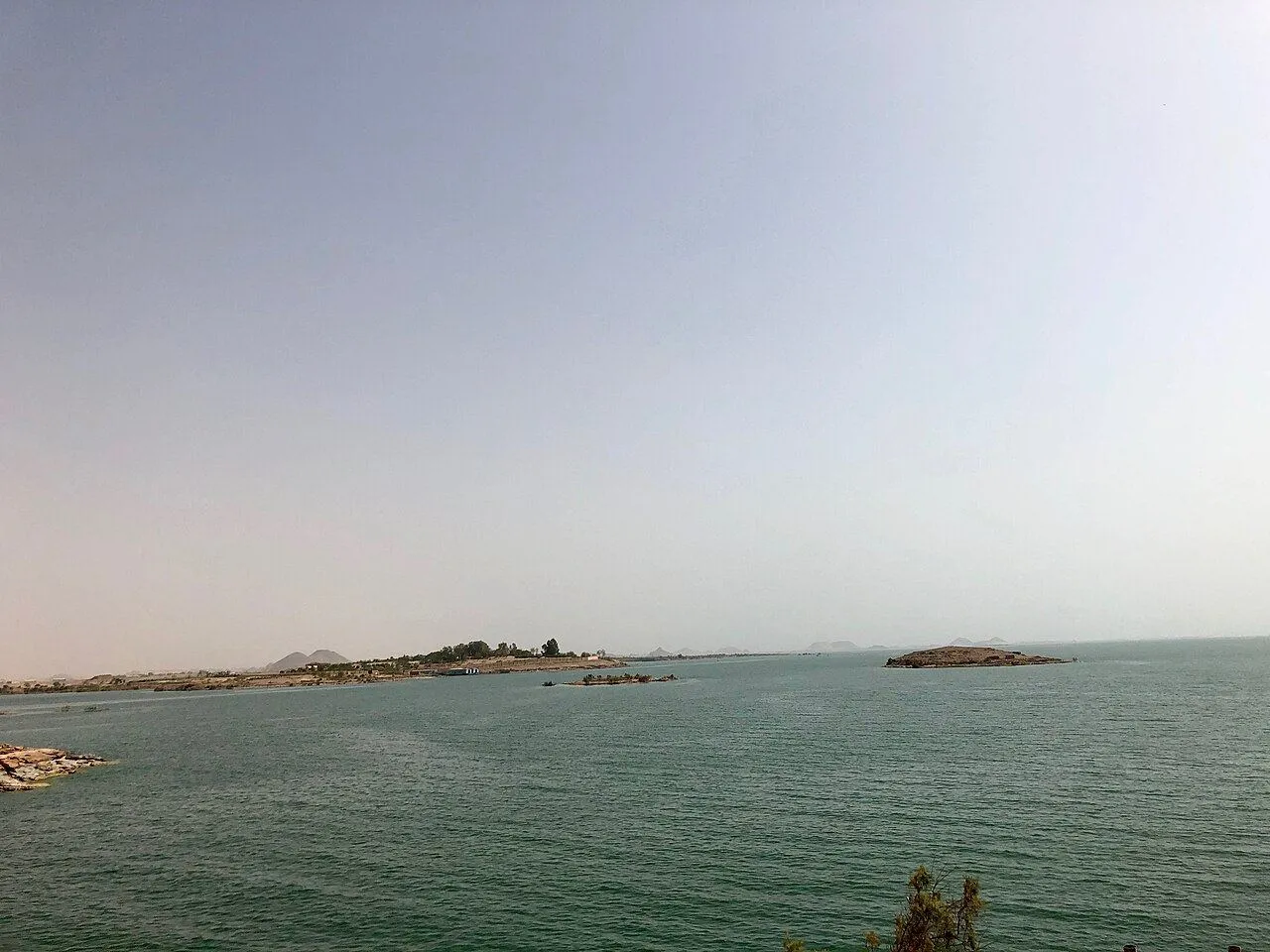
When Egypt built the Aswan High Dam in the 1960s, the rising waters of what would become Lake Nasser threatened to submerge the two great rock-cut temples Ramesses II carved into a mountainside around 1264 BC. In one of history's most ambitious engineering rescues, UNESCO coordinated the cutting of both temples into more than a thousand blocks and reassembled them, piece by piece, 65 meters higher and 200 meters back from the original site — an achievement nearly as remarkable as the temples themselves.
Inside the Great Temple
Four seated colossi of Ramesses II, each over 20 meters tall, guard the entrance to the Great Temple. Inside, the hall is lined with more statues of the king as Osiris, leading to an inner sanctuary 60 meters from the entrance. Twice a year, on February 22 and October 22, sunlight aligns perfectly through the entrance to illuminate statues of the gods inside — a solar phenomenon so precise that even the temple's relocation preserved it almost exactly.
Getting There
Abu Simbel sits about 280km south of Aswan, close to the Sudanese border, so most visitors fly in on a short morning flight from Aswan or go by road in an early convoy before sunrise to beat the heat and the crowds. A day trip from Aswan is the most common way to see it, though some travelers prefer an overnight stay to catch the temples at sunrise with hardly anyone else around. Either way, it pairs naturally with time spent exploring Aswan itself.